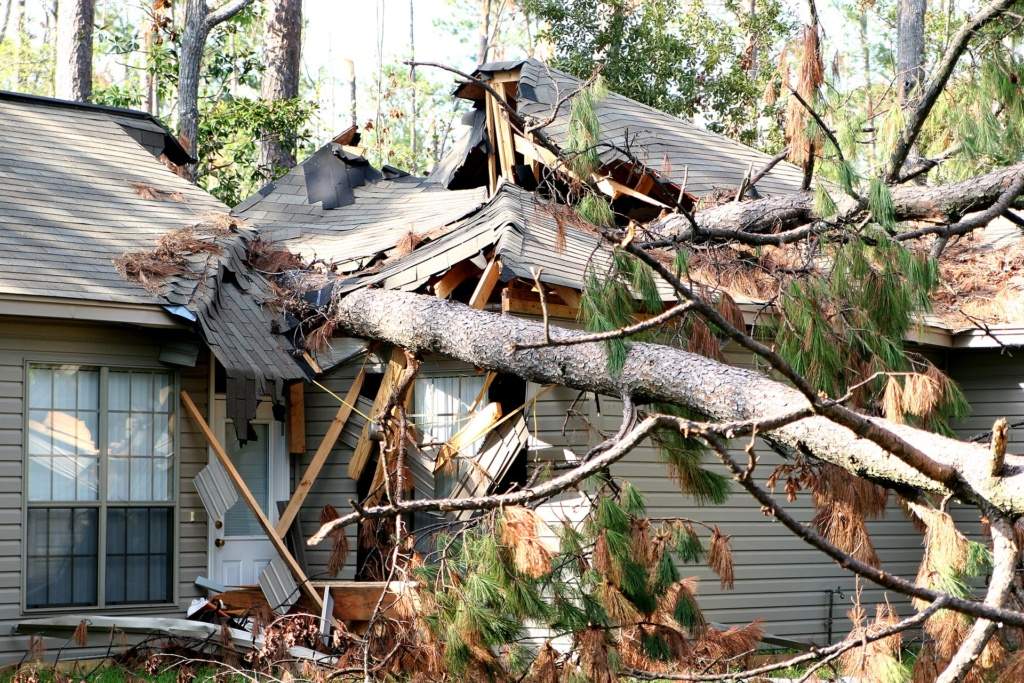
Severe hail, wind, and rain can leave North Dakota homeowners dealing with property damage and an unfamiliar insurance process. Knowing how storm damage insurance claims work in North Dakota can make the steps after a storm easier to understand. The process commonly involves documenting damage, contacting the insurer, completing inspections, reviewing the insurer’s assessment, and determining the appropriate repairs.
For Fargo-area and eastern North Dakota homeowners, roofing damage may not always be obvious from the ground. Allstar Construction’s documented storm services include inspections, detailed damage documentation, adjuster meetings, repairs, and assistance throughout the claims process.
Key Takeaways
- Document visible storm damage and keep records before cleanup or permanent repairs begin.
- A professional roof inspection can identify damage that may be difficult to see.
- Insurance adjusters evaluate covered damage according to the homeowner’s policy and claim details.
- Repair planning should follow documented damage, insurer findings, and the roofing system’s actual condition.
How the Storm Damage Insurance Claim Process Works in North Dakota
Storm claims can involve several parties, documents, inspections, and decisions before repair work begins. Understanding each party’s role helps homeowners follow the claim without confusing a contractor’s findings with an insurer’s coverage decision. These five stages explain what homeowners can generally expect after storm damage.
Document the Damage as Soon as Conditions Are Safe
Storm damage can change as rain, wind, or later weather continues affecting exposed roofing materials. Homeowners can begin storm damage insurance claim documentation by photographing visible damage and recording when the storm occurred. This documentation matters because it creates an early record before conditions change or repairs begin.
After severe weather in Fargo and nearby communities, photograph visible exterior damage from a safe location. Avoid climbing onto a damaged or wet roof.
Arrange an Inspection to Understand the Damage
Hail and wind damage can affect roofing materials without creating an immediate interior leak or obvious ground-level warning. Having professionals assess storm and weather damage can establish which roofing areas were affected and document their observed condition. This matters because filing a storm damage insurance claim with incomplete information can make the damage harder for homeowners to understand.
Homeowners can have their roof inspected after a storm before making assumptions about the repair scope. Allstar’s documented storm process includes inspections and detailed documentation for insurance claims.
Notify Your Insurance Company and Start the Claim
Homeowners may be uncertain about when to contact their insurer or what information the carrier will request. Starting a hail damage insurance claim or wind damage insurance claim generally requires reporting the loss and following the insurer’s specific instructions. This step matters because policy requirements, deductibles, deadlines, depreciation, and coverage conditions can differ between homeowners.
Keep the claim number and insurer correspondence together after reporting the loss. Reviewing the individual policy or speaking with the insurance agent can clarify requirements that a roofing contractor cannot determine.
Prepare for the Insurance Adjuster’s Inspection
Homeowners may expect the contractor’s inspection to determine insurance coverage, but the insurer has its own evaluation process. An insurance adjuster storm damage inspection allows the carrier to review reported damage and determine how the policy applies. Understanding that distinction helps homeowners separate roofing observations from decisions that remain the insurance company’s responsibility.
Allstar’s documented claims assistance includes meeting with insurance adjusters and providing detailed damage documentation.
Review the Claim Documents Carefully
Insurance estimates can contain unfamiliar terminology that makes the settlement difficult to interpret. Understanding the insurance claim process includes reviewing the insurer’s estimate, deductible, depreciation, and applicable actual cash value or replacement cost provisions. Careful review matters because these figures can affect how claim payments and repair planning proceed.
Homeowners should ask their insurance agent about unclear policy or coverage terms. Allstar’s existing educational material also explains actual cash value and replacement cost value in storm claims.
Key Steps From Damage Review to Approved Repairs
An insurance decision does not automatically determine how every roofing problem should be repaired. The documented damage, insurer’s approved scope, and actual roof condition still need to be considered together. These steps explain how the roof damage insurance claim process can move from inspection findings toward completed work.
Compare the Damage Findings With the Claim Scope
Roofing damage found during an inspection may need to be compared carefully with the items included in the insurer’s estimate. Clear documentation helps homeowners understand where observed damage and the approved claim scope align. This comparison matters because repair planning should be based on specific documented conditions rather than assumptions about what a storm caused.
Keep inspection photographs, contractor documentation, and insurance paperwork available during this stage. Organized records can make questions about individual damaged areas easier to address.
Clarify Questions Before Authorizing the Work
Insurance paperwork can contain unfamiliar descriptions, quantities, and payment terms that homeowners may not immediately understand. Questions about coverage should go to the insurer, while roofing questions can be addressed using inspection findings and the proposed repair scope. This separation matters because the insurer determines coverage while the contractor evaluates and performs roofing work.
For homeowners learning what to expect after filing a storm damage claim, clarification should happen before work begins. Avoid assuming an insurance estimate and a roofing assessment serve exactly the same purpose.
Determine Whether Repair or Replacement Fits the Damage
Some storms create isolated damage, while others affect enough of the roofing system to require a broader solution. Repairing storm-related roof damage may fit localized problems, while replacing a severely damaged roof can become appropriate when documented conditions support replacement. The distinction matters because the correct scope depends on actual roof conditions rather than the storm’s severity alone.
Homes in Horace, Casselton, and other eastern North Dakota communities can experience different damage patterns during the same weather system. A roof-specific evaluation helps establish what happened at each property.
Complete the Approved Roofing Scope
Once coverage questions are resolved and the roofing scope is established, repair or replacement work can move forward. Contractors should perform the agreed roofing work according to the documented project requirements and appropriate installation practices. This stage matters because restoring the roofing system correctly is the practical goal behind the claim and inspection process.
Homeowners should retain contracts, estimates, photographs, and completed-work documentation. These records can also be useful when communicating with the insurer about remaining claim requirements.
Keep Final Claim and Repair Records Together
Storm claims can generate estimates, photographs, invoices, correspondence, inspection reports, and payment records across several stages. Keeping these materials together creates a complete record of the damage, insurance process, and completed roofing work. Organized records matter when homeowners need to reference prior repairs, warranty information, or questions about the claim later.
North dakota storm damage insurance requirements depend on the individual policy and carrier. Homeowners should retain their final insurer documents alongside roofing records rather than relying on memory after the project ends.
Get Help After Storm Damage in North Dakota
Storm damage can involve both roofing decisions and an insurance process that homeowners may be handling for the first time. Allstar Construction documents insurance claims assistance as part of its storm damage services, including inspections, adjuster meetings, damage documentation, and restoration work.
Request a free estimate for storm-related roofing concerns in Fargo or surrounding eastern North Dakota communities. Contact Allstar Construction to discuss an inspection, documented roof damage, or roofing work associated with an active storm claim.
Frequently Asked Questions
Should I contact my insurance company or a roofer first after a storm?
Homeowners should follow their insurer’s reporting requirements while also documenting visible damage safely. A professional roofing inspection can provide information about roof conditions, while the insurance company remains responsible for determining coverage under the policy.
What documentation should I keep for a storm damage claim?
Keep photographs, the storm date, inspection findings, insurer correspondence, estimates, claim documents, invoices, and completed-work records. Organized documentation provides a clearer history of the loss and can simplify later questions about repairs or claim payments.
Does a roofing contractor decide whether storm damage is covered?
No. A roofing contractor can inspect and document roof damage, explain repair needs, and provide project information. The insurance carrier determines whether damage is covered and how policy provisions, deductibles, depreciation, and other terms apply.
What happens if a storm severely damages my roof?
A professional inspection can establish the extent of roofing damage and whether repair or replacement is appropriate. The insurer separately reviews coverage, while the final roofing scope should reflect documented conditions and applicable claim decisions.