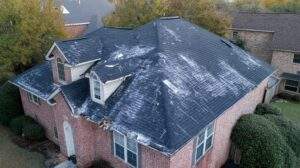
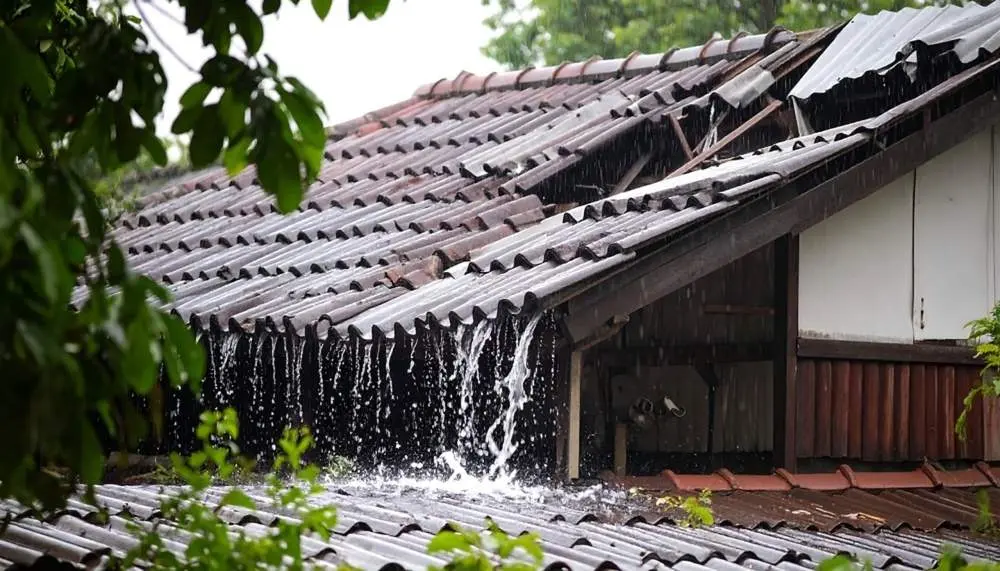
In the Fargo-Moorhead area, strong prairie winds can do more than just scatter debris—they can lift shingles, damage roof membranes, and set the stage for costly water intrusion. Once wind uplift exposes the underlayment or flashing, even minor rainfall can lead to leaks, mold, and structural damage.
Local homeowners across eastern North Dakota and western Minnesota know that quick response and proper maintenance are essential for preventing wind-related water damage in this unpredictable Red River Valley climate.
Key Takeaways
- Wind uplift can compromise shingles, flashing, and gutters, leading to hidden water intrusion.
- Immediate inspection and repair minimize structural and insulation damage.
- Proactive maintenance, like sealing flashings and cleaning gutters, helps prevent long-term issues.
- Partnering with a certified local roofing contractor ensures the right repair and reinforcement techniques for Fargo’s weather.
Steps to Prevent Water Intrusion After Wind Uplift on Fargo Roofs
When high winds hit, they can lift roof materials just enough to break seals and open pathways for moisture.
Homeowners in Casselton, Moorhead, West Fargo, and surrounding areas should focus on prompt inspections, proper sealing, and long-term reinforcement to keep their roofs ready through severe storms and freezing temperatures.
Address Lifted or Missing Shingles Immediately
Wind uplift often loosens asphalt shingles, creating gaps that allow water to seep under the roof deck. Prompt roof repair prevents those gaps from expanding into major leaks and further deterioration.
Additionally, a professional roof inspection after every strong wind event ensures that even small separations or broken shingles are detected before they compromise attic insulation or decking.
Acting early can save thousands in future roof replacement costs, especially when wind damage repairs are coordinated with your homeowner’s insurance policy.
Reinforce Flashings and Sealants Around Penetrations
Vulnerable points like chimneys, skylights, and vent stacks are common entryways for water after a wind event. Properly resealing flashings and renewing caulking around these areas is key to preventing leaks.
Expect contractors like Allstar, familiar with metal roofing and commercial roof systems understand how Fargo’s freeze-thaw cycles stress sealants. They use premium materials rated for high wind and cold conditions to ensure a watertight finish.
Reinforcing flashing is one of the most effective roof reinforcement techniques after wind uplift, especially for homes with steep roof pitches or exposed underlayment.
Maintain Gutter Systems to Direct Water Away from Roofing
Once shingles or flashings are compromised, backed-up water can worsen the problem. Clean and properly aligned gutters are critical in guiding runoff away from fascia and siding.
When homeowners neglect gutter maintenance, meltwater from snow or ice dams can seep behind soffits, leading to wood rot and interior moisture. A reliable roof maintenance plan that includes gutter cleaning each spring and fall keeps drainage efficient, protects siding from damage, and reduces the risk of costly repairs.
Regular upkeep also helps prevent air leaks and energy efficiency losses during winter installations.
Inspection Priorities and Timing for Fargo Area Homes
After strong winds, inspection timing can make all the difference. In the Fargo metro—including nearby communities like Horace, Thompson, and Mayville—where weather swings from high winds to hail and ice dams, checking your roof regularly ensures small issues don’t turn into more extensive repairs.
Schedule Post-Storm Roof Evaluations
Following a major wind event, schedule a professional inspection within 48 hours.
Early detection of uplifted or loose shingles and punctures gives homeowners time to file an insurance claim and prevent long-term water damage. Fargo’s certified roofing professional teams use drone imaging and moisture meters to spot hidden leaks invisible from the ground.
Having detailed storm damage reports ready helps your insurance company process coverage faster and reduces the total cost for storm damage repairs.
Prioritize Roof Edges and Eaves for Damage
The roof perimeter takes the brunt of high wind pressure. Loose drip edges, lifted starter shingles, and compromised fascia boards often signal early signs of wind uplift damage. Repairing or replacing edge materials quickly helps seal the system before water seeps in.
Trusted local contractors often recommend shingle replacement or roof reinforcement techniques after wind uplift to strengthen vulnerable zones. These upgrades can improve warranty coverage and protect your home from future North Dakota storms.
Monitor Attics and Ceilings for Signs of Moisture
Even if the roof exterior appears intact, moisture can build up underneath. Homeowners should inspect attic insulation, rafters, and ceilings for water stains, dampness, or musty odors—early signs of hidden leaks. Regular assessments by an experienced Fargo roofer prevent unseen water damage that leads to mold and costly roofing work.
Pairing these checks with siding and window evaluations ensures complete weatherproofing. Proper insulation also helps in preventing ice dams, reducing energy loss, and improving comfort in living space areas directly beneath the roof.
Protect What Matters Most With a Trusted Fargo Roofing Team
Allstar is a certified roofing contractor serving Fargo and the surrounding Red River Valley. Our team combines craftsmanship, durable materials, and local expertise to protect homes from wind and storm damage. We deliver dependable results backed by industry-leading warranties and customer trust.
Schedule your free estimate online. We’ll restore your roof’s protection and ensure your home is ready for the next storm.
Frequently Asked Questions
What are the first signs of wind uplift on a Fargo roof?
Look for lifted or missing shingles, loose flashing, and granule loss after storms. Clear evidence like water stains or curling shingles often indicates exposed underlayment and possible roof leaks. Respond quickly to reduce further deterioration and prevent costly repairs, especially after severe storms common in the Red River Valley.
How quickly should I schedule an inspection after a windstorm in North Dakota?
Within 24–48 hours. Immediate inspection helps identify roof damage before moisture enters attic insulation or structural layers. Most homeowners contact a roofing contractor right away to document wind damage for their insurance provider or claim number, ensuring coverage before more extensive repairs are needed.
Can wind damage affect my new roof, gutters, and siding?
Yes. High winds often pull gutter fasteners loose, cause siding damage, and reduce drainage efficiency. When gutters clog, melting snow or ice dams can create water intrusion. Combining gutter maintenance with siding and window inspections helps maintain warranty coverage and prevents future storms from causing larger water intrusion issues.
Is it better to repair or replace after wind damage?
If damage is localized, targeted roof repair may suffice, especially for loose shingles or small roof leaks. However, widespread wind damage, aging asphalt shingles, or structural damage might require a full roof replacement using premium materials and professional installation. Always coordinate with your insurance company to verify coverage and compare labor rates before starting wind damage repairs.