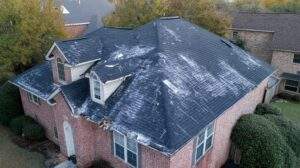
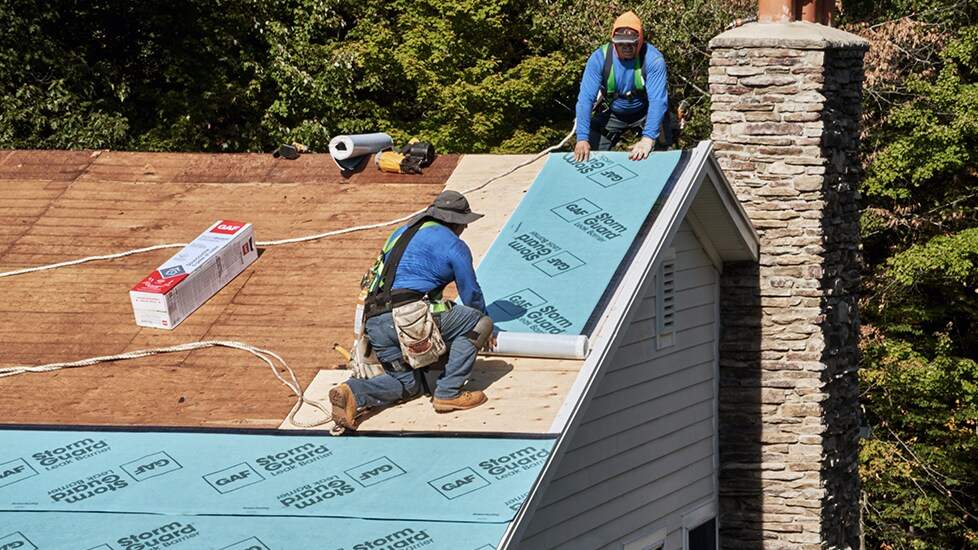
Roof granule loss is one of the most common roofing concerns homeowners notice in Fargo and West Fargo, ND. Those loose granules in your gutters or at the end of downspouts are not just debris. They are a critical part of your roofing system’s weather protection. Understanding roof granule loss causes and signs in Fargo helps homeowners decide when simple roof maintenance is enough and when it is time to call a professional roofing contractor.
This guide explains what granule loss means for asphalt shingles, how Fargo’s severe weather accelerates the problem, and when granule loss becomes a sign of serious roof damage rather than just an aesthetic issue.
Key Takeaways
- Granule loss is normal as a roof ages, but premature granule loss often signals a roofing issue.
- Fargo, ND weather, including hail damage, high winds, deep snow, and temperature fluctuations, accelerates granule loss.
- Granule loss can expose underlying layers of an asphalt shingle roof, increasing the risk of roof leaks.
- Not all granule loss requires a full replacement, but widespread loss may shorten roof longevity.
- Professional roof inspections help homeowners decide between roof repair, storm damage repairs, or a new roof.
Common Causes of Roof Granule Loss in Fargo Area Homes
Granule loss rarely happens for just one reason. In eastern North Dakota, multiple factors often work together, which is why experienced roofing professionals rely on detailed evaluations similar to a full roof inspection rather than surface-level checks.
Severe Weather and Storm Damage
Fargo roofs are exposed to repeated severe weather, including hail damage, high winds, and heavy rain. Each storm can dislodge protective granules from asphalt shingles, especially after a hailstorm.
From a roofing contractor’s perspective, storm damage is one of the most frequent causes of sudden granule loss that leads homeowners to request professional assessments before deciding on roof repair or broader storm damage repairs.
Temperature Fluctuations and UV Exposure
North Dakota experiences dramatic temperature swings throughout the year. Prolonged exposure to UV rays during summer, followed by freeze-thaw cycles in winter, causes asphalt shingles to expand and contract.
Over time, this movement loosens protective granules, reducing the roof’s surface protection and gradually shortening the roof’s lifespan, which is often addressed through proactive roof maintenance planning.
Aging Asphalt Shingles
As an asphalt shingle roof ages, granule loss becomes more noticeable. This is a natural part of how roofing materials wear down.
From a service provider’s perspective, older architectural shingles often shed granules evenly across the roof, which usually indicates the roof is nearing the later stage of its lifespan rather than suffering from sudden damage that would immediately require a full roof installation.
Poor Attic Ventilation
Poor attic ventilation traps heat and moisture beneath the roofing system. This excess heat accelerates the breakdown of asphalt shingles from the underside, leading to premature granule loss. Proper attic ventilation improves energy efficiency and helps protect the roof’s surface from unnecessary wear, especially in homes throughout Fargo and surrounding service areas such as Alexandria, MN.
Foot Traffic and Improper Roof Access
Foot traffic from maintenance work, holiday decoration installation, or satellite dish adjustments can scrape granules off shingles.
Roofing contractors see this often after homeowners or other trades walk directly on an asphalt shingle roof without proper precautions, creating localized areas of granule loss and broken shingles that may not be immediately visible from the ground.
Manufacturing or Material Defects
In rare cases, manufacturing defects can cause granule loss earlier than expected. From a contractor’s standpoint, identifying material defects early is important for warranty support and insurance claim documentation, particularly for homeowners in regions like Fargo and nearby communities such as Audubon, where weather exposure is a constant factor.
How to Judge Severity and Decide Next Steps
Not all granule loss requires the same response. Knowing what to look for helps homeowners minimize disruption and avoid costly damage.
Small Amounts of Loose Granules
A small amount of loose granules in gutters or at downspouts is often normal, especially on a newer roof or one that has recently experienced high winds.
From our experience in residential roofing, this usually does not require immediate roof repair but should be monitored during routine roof maintenance.
Bald Spots and Exposed Shingle Base
When granule loss exposes the underlying layers of the shingle, the roof loses critical weather protection. This level of damage increases the risk of roof leaks and water stains inside the home. At this stage, a professional roof inspection is strongly recommended to assess whether targeted roof repair or broader storm damage repairs are needed.
Interior Signs of Roof Damage
Granule loss paired with water stains, attic moisture, or visible roof leaks is no longer just an exterior concern. From a roofing contractor’s perspective, interior signs indicate the roofing system is compromised, and further damage may already be occurring, making timely action critical.
Widespread Granule Loss Across the Roof
When granule loss appears across large sections of the roof, it often signals that the roof has reached the end of its useful life. In these cases, homeowners in Fargo, ND are typically better served by planning a full replacement rather than repeated repairs, especially when insurance coverage may apply.
Granule Loss After a Hail or Wind Event
If granule loss appears suddenly after a storm, it may qualify as storm damage under a homeowner’s insurance policy. Working with a roofing contractor who understands the claims process helps homeowners communicate effectively with their insurance provider and homeowner’s insurance agent.
Ready to Protect Your Roof in Fargo, ND
Roof granule loss is one of the earliest warning signs that your roofing system may need professional attention. The team at Allstar helps homeowners in Fargo and West Fargo understand whether granule loss is normal wear or a sign of serious roof damage.
If you are concerned about losing granules, schedule a professional roof inspection and get clear guidance on roof repair, insurance claim support, or a new roof when needed.
Frequently Asked Questions
Is roof granule loss normal for asphalt shingles in Fargo, ND?
Yes, some granule loss is normal as asphalt shingles age, especially after severe weather. However, excessive or uneven granule loss may indicate storm damage or premature wear that should be evaluated by a roofing contractor.
Can granule loss lead to roof leaks?
Granule loss exposes the roof’s surface to UV radiation and moisture. When protective granules are missing, shingles are more vulnerable to cracking and water penetration, which can eventually cause roof leaks and interior damage.
Will homeowner’s insurance cover granule loss?
Insurance coverage depends on the cause. Granule loss from hail damage or high winds may be covered under a storm damage insurance claim, while normal aging typically is not. A professional inspection helps support communication with your insurance company.
How do I know if I need roof repair or a full replacement?
The decision depends on the extent of granule loss, the age of the roof, and whether underlying damage is present. Local roofing contractors can assess whether targeted roof repair will restore protection or if a full replacement offers better long-term protection.