A roof inspection report is a written document that details the current condition of your roofing system after a professional evaluation. For homeowners in the Fargo-Moorhead area, understanding what that report covers is the first step toward protecting your home from the region’s demanding weather.
Spring is a critical time to schedule a roof inspection in Fargo and West Fargo. Winter freeze-thaw cycles, heavy snow loads, and ice dam activity leave behind damage that only trained eyes can fully assess. Knowing what your roof inspection report contains helps you act on findings before small issues become costly repairs.
Key Takeaways
- A roof inspection report documents shingle condition, flashing integrity, ventilation status, and drainage performance across your roofing system.
- Fargo-Moorhead winters cause ice dam formation and deck stress that a residential roof inspection report will specifically evaluate and document.
- Prioritizing repairs based on urgency categories in the report helps homeowners protect their investment and avoid premature roof replacement.
- A detailed inspection report is also a critical tool when filing a roof inspection report for insurance after a storm damage event.
Inspection Findings That Help Fargo Roofs Last Longer
Spring inspections in the Fargo and Moorhead area routinely uncover damage that accumulated over the previous winter. Ice dams, heavy snow loads, and sub-zero temperature swings put stress on every component of a residential roofing system. The sections below explain the key findings that experienced inspectors document and why each one matters for long-term roof performance.
Shingle and Surface Condition Findings
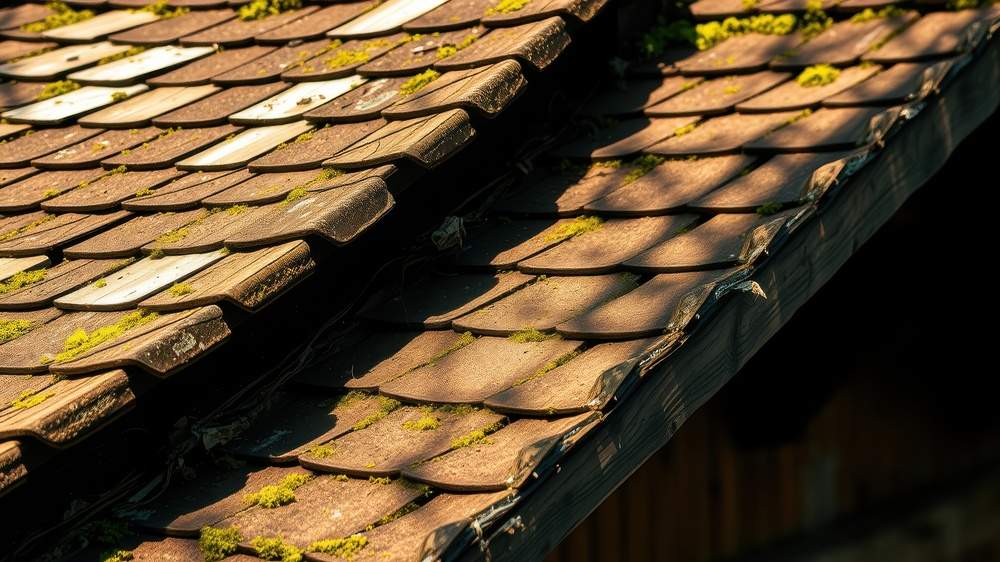
Shingle condition is one of the first elements documented in a roof inspection report across Fargo-Moorhead residential roofing systems. Inspectors look for granule loss, cracking, curling, and missing sections across the entire roof surface during evaluation. In this region, hail impact and repeated freeze-thaw cycles are the most common causes of accelerated shingle deterioration.
If granule loss or visible damage is widespread, homeowners should begin planning for repair or replacement before water intrusion develops. Taking early action protects your home and provides stronger documentation if you need to file an insurance claim after a storm.
Flashing, Ventilation, and Structural Observations
Flashing is installed around chimneys, vents, and valleys to prevent water intrusion at the most vulnerable points of your roofing system. Inspectors document any flashing that is lifted, corroded, or improperly sealed during a professional roof inspection. Ventilation is also evaluated because poor airflow allows moisture to build up and gradually weaken the roof deck over time.
If flashing damage or ventilation issues are identified, repairs should be scheduled promptly to prevent further deterioration. Addressing these findings early helps avoid interior water damage and reduces the risk of more costly structural repairs later.
Gutters, Drainage, and Exterior Component Findings
Proper drainage is essential for protecting roof edges, fascia boards, and adjacent exterior components from water intrusion and long-term damage. Inspectors examine gutters for blockages, separation, and signs of overflow that can affect overall roof performance. In areas like West Fargo, debris and ice buildup often cause water to back up under shingles and impact nearby siding during seasonal transitions.
Homeowners should clear debris and repair gutter systems as soon as issues are identified during an inspection. Maintaining proper drainage supports the roofing system while helping preserve siding and exterior surfaces along the roofline.
What to Prioritize After a Fargo Roof Inspection
Receiving a roof inspection report with multiple findings can feel overwhelming for homeowners. Understanding how to prioritize the repair categories in that report helps you focus resources on the issues that pose the greatest immediate risk.
The guidance below explains how to approach each tier of findings identified during a professional roof inspection in the Fargo-Moorhead area.
Address Active Water Intrusion and Structural Issues First
Active leaks, significant deck rot, and structural sagging are always the highest-priority findings in any residential roof inspection report. These conditions worsen quickly in Fargo’s climate, where freeze-thaw cycles repeatedly stress already compromised roofing components. Left unaddressed, they can lead to interior damage affecting insulation, ceilings, and wall framing throughout the home.
Schedule professional repair immediately upon identifying these issues during a roof inspection. Acting quickly helps prevent further structural damage and allows your contractor to determine whether repair or full replacement is the most cost-effective solution.
Plan Moderate Repairs Before the Next Storm Season
Moderate findings often include failing flashing, missing shingles, and granule loss that goes beyond what is considered normal wear over time. These issues may not cause immediate leaks, but they significantly increase vulnerability during Fargo’s frequent hail and wind events. With multiple storms each season, even minor weaknesses can quickly escalate into larger, more expensive roofing problems.
Plan and complete these repairs before the next storm season begins to reduce overall risk. Proactive maintenance strengthens your roof’s performance and supports smoother documentation if you need to file an insurance claim later.
Monitor and Document Minor Findings for Future Inspections
Minor findings typically include early-stage granule wear, small areas of surface aging, or slightly clogged gutters that have not yet caused visible damage. While these issues are not urgent, they provide valuable insight into how your roof is aging over time. Tracking these details helps create a clear history of your roof’s condition across multiple inspection cycles.
Keep detailed records and schedule annual inspections to consistently monitor these changes. Staying ahead of minor issues helps prevent them from developing into costly repairs and supports long-term roof performance.
Turn Roof Inspection Results Into Long-Term Protection in Fargo
Allstar Construction has served the Fargo-Moorhead area since 1979, delivering detailed roof inspection reports that give homeowners a clear understanding of their roof’s condition. Whether your inspection leads to targeted repairs, a full replacement, or a new roof installation, every recommendation is based on real, documented field findings.
You can see how that approach translates into real results by exploring recent projects and hearing directly from homeowners about their experience working with our team. When you are ready, contact us to schedule your free estimate and get clear, expert guidance on your next steps.
Frequently Asked Questions
What should be included in a roof inspection report?
A roof inspection report should include shingle condition, flashing integrity, ventilation assessment, drainage findings, and photographic evidence of each issue. It should also provide a repair priority summary so homeowners can plan next steps based on urgency.
What does a roof inspection report look like for insurance purposes?
A roof inspection report for insurance documents damage with dated photographs, location-specific findings, and a scope of identified conditions. Insurers use this documentation to evaluate storm damage claims and determine covered repair or replacement costs.
How much does a roof inspection cost in the Fargo area?
Roof inspection costs typically range from $100 to $500, depending on roof size, complexity, and the scope of the evaluation. Many contractors in the Fargo-Moorhead area offer free inspections when damage is suspected after a storm event.
How often should Fargo homeowners schedule a roof inspection?
Annual roof inspections are recommended for Fargo-Moorhead homeowners, with an additional inspection after any significant hail or wind event. Spring is the ideal time to inspect for winter damage before summer storm season begins.